
the optimism tax
why staying creative now costs more than ever—emotionally, existentially and sometime even literally

there is a strange kind of toll that gets charged at the intersection of creativity and capitalism. it’s not printed on your invoice or reflected in your retainer. no. it shows up later, subtly, as the cost of staying hopeful in a field that keeps reminding you not to be.
pursuing a creative career was once framed as a risk. now, it feels like an emotional gamble, gift-wrapped in personal branding and curated vulnerability. to work in the arts today—whether you’re designing decks, directing shoots, editing reels or writing bios for brands you half-believe in, is to wear every hat and pay for the privilege. you’re expected to be prolific, poetic, politically aware, platform-literate, and ready to post about it before 10am. the dream job hasn’t died. it just has performance anxiety. it comes with mood swings, mixed signals, and a side hustle.

this is what i’ve come to call the optimism tax: the invisible price we pay for insisting that our creative work still matters, even as the algorithm yawns and the world burns. because creativity was never meant to be free, but must it be this expensive?
scroll long enough, and you'll see it. an artist burning out in real time. a writer admitting they're stuck in their notes app. a designer asking if it’s normal to cry over feedback. and somewhere in that digital soup, a slideshow on how to ‘romanticize your career’. because even exhaustion now demands an aesthetic.
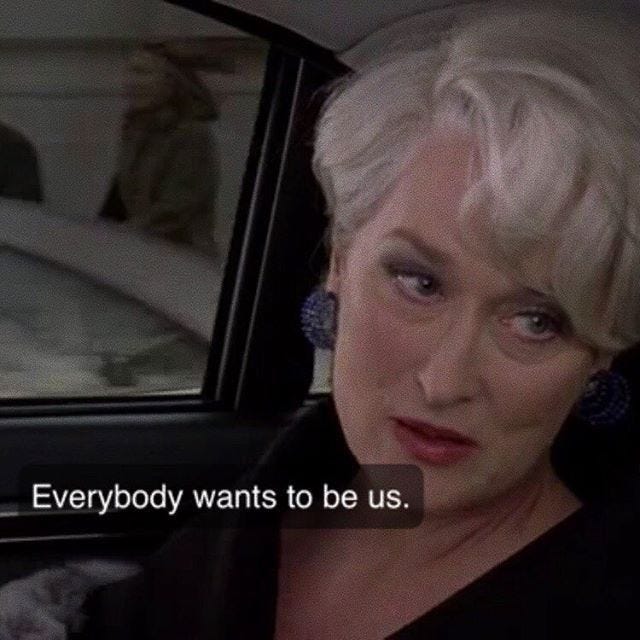
there’s a particular fatigue that sets in when your livelihood is linked to your imagination. when your self-worth gets knotted up with your ability to keep creating in a world that’s increasingly hostile to nuance, to slowness, to anything that can’t be monetized in thirty seconds or less. when the question quietly shifts from what do you want to make? to how will it perform?
and still, we keep going. because what’s the alternative? not caring? not trying? shrugging off that stubborn belief that beauty matters, that stories matter, that design and direction and detail can change how we feel? that a single line, a single shot, a single idea might still move someone to feel something?
maybe, that’s the thing about artists. we’re often exhausted, but rarely cynical.
the optimism tax doesn’t always show up as burnout. sometimes it’s quieter.
a hollowed attention span. a hesitance to begin. a Sunday night anxiety you can’t quite name. that slow leak of enthusiasm, not because you’re uninspired, but because reinvention has started to feel like a requirement instead of a reward.
and yet, we return. to our notebooks and moodboards. to our beat-up sketchpads and late-night voice notes. to the vague outline of a new idea, or the joy of solving a layout no one will notice but you. we return, not because we’re certain, but because something in us still wants to try. because the tax, however steep, has never outweighed the reason we began.
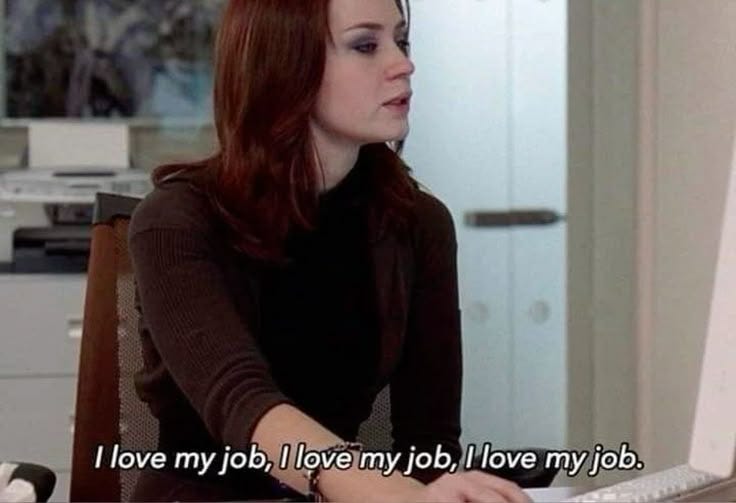
look around: the culture is both oversaturated and undernourished. there’s more being made than ever, but less being felt. and amidst it all, the quiet creatives still persist. the ones not chasing virality, but resonance. the ones who choose depth over trend cycles. the ones who make things that aren’t meant to go viral, but meant to last.
so no, the dream job doesn’t look like it used to. but if there’s anything left of the dream, it’s in the act of choosing to stay in it. softly, stubbornly, still.